

Introduction
Construction sites are known for producing a significant amount of waste during the course of a project. From discarded materials to packaging waste, the accumulation of debris can not only hinder the progress of construction work but also pose environmental and safety hazards if not managed properly. In recent years, the use of garbage compactor trucks has emerged as a practical and efficient solution for streamlining waste management on construction sites. These specialized vehicles are designed to compress and transport large volumes of waste, helping construction companies to maintain cleanliness, reduce clutter, and adhere to environmental regulations. This article explores the benefits, functionalities, and considerations associated with garbage compactor trucks for construction sites.
Overview of Garbage Compactor Trucks
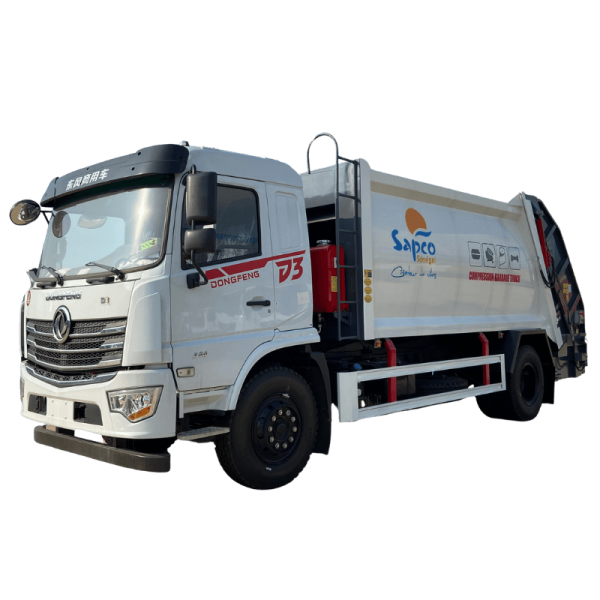
Garbage compactor trucks, also known as waste compactors or refuse compactors, are specialized vehicles equipped with a hydraulic mechanism that compresses solid waste materials into a compact form. These trucks come in various sizes and configurations, ranging from small units suitable for residential areas to large industrial-scale models designed for construction sites and municipal waste management. The primary purpose of garbage compactor trucks is to maximize the payload capacity by reducing the volume of waste through compaction, thereby optimizing transportation efficiency and reducing the frequency of disposal trips.
Key Components and Functionality
Garbage compactor trucks consist of several key components that work together to facilitate the collection, compaction, and transportation of waste materials. Work truck interior organization ideas of a typical garbage compactor truck include:
1. Compaction Mechanism: The heart of the garbage compactor truck is the compaction mechanism, which is usually powered by a hydraulic system. This mechanism comprises a compaction blade or plate that moves back and forth to compress the waste inside the truck's body. By applying pressure to the waste, the compaction mechanism reduces the volume of the material, allowing more waste to be loaded into the truck.
2. Loading Hopper: The loading hopper is the opening at the rear or side of the truck where waste is deposited. Construction workers or waste management personnel can easily unload debris, construction materials, or other waste items into the hopper for compaction. Some garbage compactor trucks feature automated loading systems for enhanced efficiency.
3. Body Container: The body container of a garbage compactor truck is the storage compartment where the waste is collected and compacted. The container is typically made of durable materials such as steel or aluminum to withstand the rigors of waste compression and transportation. Depending on the size and design of the truck, the body container may have a varying capacity ranging from a few cubic meters to tens of cubic meters.
4. Ejection System: Once the waste is compacted inside the body container, the ejection system is used to discharge the compacted waste at the designated disposal site. The ejection system may consist of hydraulic rams or mechanisms that push the compacted waste out of the container, ensuring a clean and efficient unloading process.
Benefits of Garbage Compactor Trucks for Construction Sites
The utilization of garbage compactor trucks on construction sites offers a myriad of benefits for project managers, contractors, and workers. Some of the key advantages of using these specialized vehicles include:
1. Increased Efficiency: Garbage compactor trucks streamline the waste management process on construction sites by reducing the volume of waste through compaction. This leads to fewer trips to disposal sites, saving time and fuel costs associated with waste transportation.
2. Enhanced Safety: By containing and compacting waste materials within the truck's body container, garbage compactor trucks help to minimize the risk of debris scattering or causing hazards on the construction site. This contributes to a safer working environment for construction workers and reduces the likelihood of accidents or injuries.
3. Environmental Compliance: Construction projects are subject to environmental regulations governing the proper disposal of waste materials. Garbage compactor trucks ensure that waste is managed and disposed of in accordance with these regulations, helping construction companies to avoid fines and penalties for non-compliance.
4. Space Optimization: Construction sites often have limited space available for waste storage and disposal. Garbage compactor trucks enable efficient space utilization by compacting waste and reducing the footprint of stored materials, allowing for better organization and site management.
5. Cost Savings: The use of garbage compactor trucks can result in cost savings for construction companies in terms of labor, disposal fees, and vehicle maintenance. By maximizing the payload capacity and reducing transportation frequency, companies can achieve greater operational efficiency and financial savings.
Considerations for Choosing Garbage Compactor Trucks
When selecting a garbage compactor truck for use on construction sites, several factors should be taken into account to ensure optimal performance and suitability for the project requirements. Some key considerations include:
1. Capacity and Size: The size and capacity of the garbage compactor truck should be chosen based on the anticipated volume of waste generated at the construction site. Larger projects with high waste output may require a truck with a larger body container and higher compaction ratio.
2. Compaction Mechanism: The efficiency and reliability of the compaction mechanism are crucial for achieving maximum compaction of waste materials. It is important to choose a garbage compactor truck with a durable and well-designed compaction system to ensure consistent performance.
3. Loading and Unloading Features: Consider the ease of loading and unloading waste materials into the garbage compactor truck. Trucks with user-friendly loading hoppers, automated loading systems, and efficient ejection mechanisms can enhance productivity and convenience on the construction site.
4. Durability and Construction: Construction sites are demanding environments that require robust and durable equipment. Select a garbage compactor truck constructed from high-quality materials such as steel or aluminum to withstand the rigors of daily use and ensure longevity.
5. Maintenance and Support: Opt for a garbage compactor truck from a reputable manufacturer that offers reliable maintenance services and technical support. Regular maintenance and servicing are essential to keep the truck in optimal condition and prevent breakdowns or malfunctions.
Case Studies and Success Stories
Several construction companies have successfully integrated garbage compactor trucks into their waste management practices, demonstrating the effectiveness and benefits of these specialized vehicles. One such case study is the use of garbage compactor trucks by a large-scale commercial construction firm to manage waste generated during the construction of a high-rise building. By deploying multiple garbage compactor trucks on-site, the company was able to significantly reduce waste disposal costs, improve site cleanliness, and adhere to environmental regulations.
In another example, a residential construction contractor implemented a compact garbage compactor truck for waste collection and disposal on small-scale construction projects. The compact size and maneuverability of the truck allowed for easy access to tight spaces and reduced the need for manual labor in waste handling. As a result, the contractor achieved greater efficiency in waste management and minimized the environmental impact of construction activities.
Conclusion
Garbage compactor trucks have become indispensable tools for optimizing waste management practices on construction sites, offering enhanced efficiency, safety, and environmental compliance. By investing in the right garbage compactor truck tailored to the specific needs of a construction project, companies can streamline waste collection, compaction, and disposal processes, leading to cost savings and operational benefits. As construction industry standards continue to emphasize sustainability and resource efficiency, the adoption of garbage compactor trucks is set to increase, shaping the future of waste management in construction.